Reliable power supply on the agenda at Almedalen
Sweden’s crisis preparedness was a key topic during Almedalen Week. When Combitech launched this year’s Total Defence Report, Holtab joined the discussion on reliable energy supply and the role of business in strengthening Sweden’s total defence.
Combitech’s annual report shows that Swedish businesses have significantly improved their preparedness since the survey was first introduced four years ago. At the same time, there is still considerable work to be done. Many decision-makers say they need clearer guidance and greater knowledge of how their organisations can contribute.
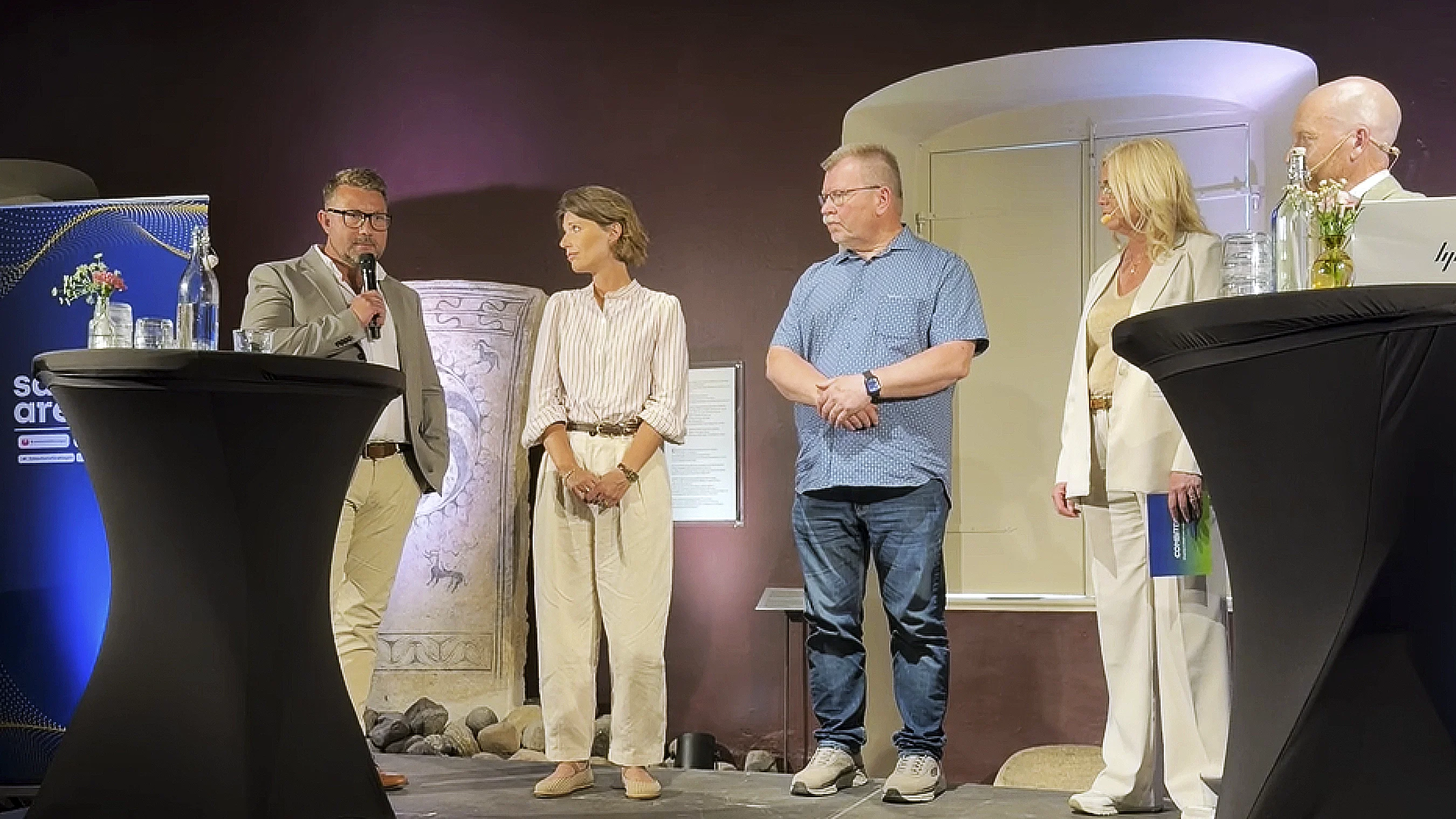
To mark the launch of the report, Combitech hosted a panel discussion entitled From North to South – Regional strengths and differences in the development of Sweden’s total defence, where Holtab took part. CEO Michael Fohlin explained how Holtab is working to ensure it can continue producing secondary substations and prefabricated power solutions, even during major disruptions.
“We have strengthened our resilience so our customers can rely on us to deliver — even during a crisis. We also see ourselves as part of Sweden’s total defence. By strengthening our own resilience, we help improve society’s ability to withstand and recover from crises,” says Michael Fohlin.
The Total Defence Report 2026
Swedish businesses’ views on total defence and preparedness
More than 1,000 Swedish companies participated in the survey.
62% have already reviewed their preparedness or plan to do so.
43% believe the Government and public authorities provide clear guidance on how their business can contribute to Sweden’s total defence.
73% want to learn more about preparedness and their responsibilities within Sweden’s total defence.
57% have cyber security preparedness, compared with 31% that are prepared for a wartime scenario.
“As society becomes increasingly electrified, reliable energy supply becomes ever more important."
Michael Fohlin, CEO
Reliable energy supply important
As part of its preparedness work, Holtab has established a microgrid with off-grid capability. This enables the factory in Tingsryd to continue operating at full capacity for an extended period, even if the main power grid goes down.
Alongside the technical solution, Holtab has worked systematically with preparedness planning by analysing different scenarios and strengthening operational procedures and IT security.
“As society becomes increasingly electrified, reliable energy supply becomes ever more important. Many of our customers operate critical infrastructure and depend on our products. If Sweden were to face a major crisis or even war, that demand would only increase,” says Michael Fohlin.
The report shows that Swedish businesses have primarily prioritised preparedness for pandemics and major disease outbreaks, followed by preparedness for information influence activities. Environmental and natural disasters rank next, while preparedness for war and terrorist attacks remains the lowest priority.
Common measures include carrying out risk and vulnerability assessments, developing business continuity plans and providing employees with information security training.
According to Combitech, the growing level of preparedness among Swedish businesses is an encouraging development.
“Ultimately, a strong total defence is about protecting and preserving our democracy and the society we have built together — both for ourselves and for future generations,” says Jessica Öberg, CEO of Combitech.
Watch the panel discussion from Almedalen
Would you like to hear the full discussion about Sweden’s total defence, energy preparedness and the role of business? Watch the webcast from Combitech’s seminar here.
Contact
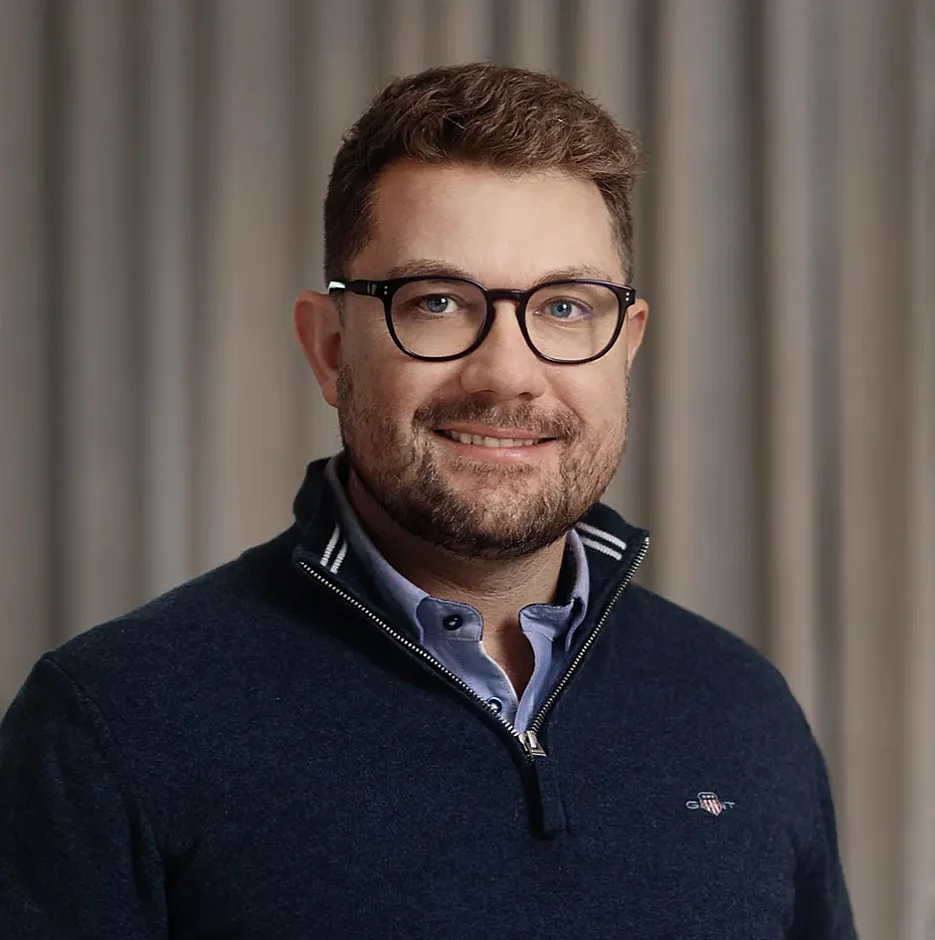
Michael Fohlin
CEO