Powerful encounters during this year’s trip to Nepal
Holtab’s commitment makes a difference — that was clear to the four employees who spent three weeks in Nepal this autumn. At the same time, many people continue to live under extremely difficult conditions.
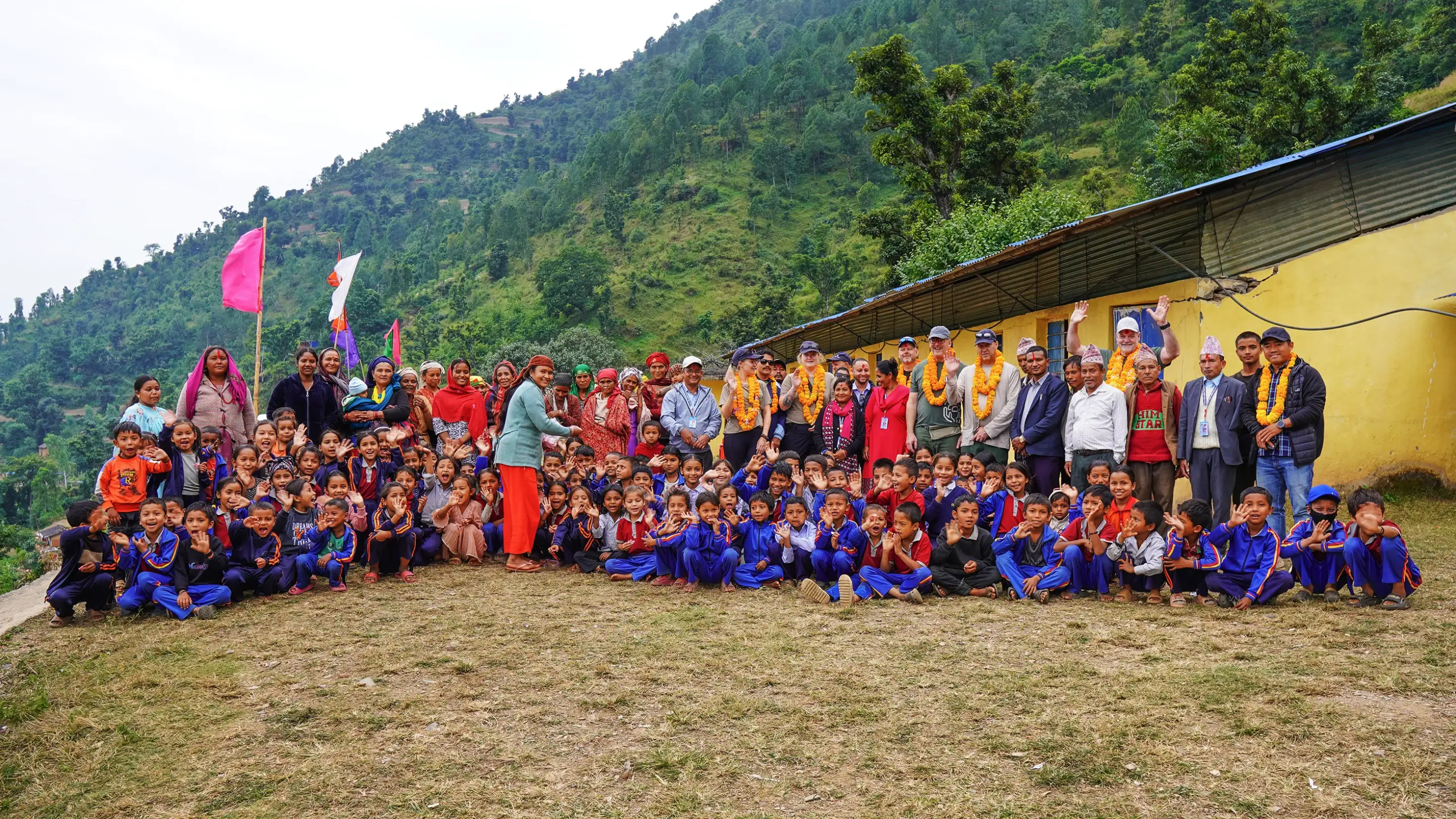
“Meeting people who show such incredible strength in their tough everyday lives has been deeply moving,” says project manager Sanna Moberg from Holtab.
Holtab has been involved in various development projects in Nepal since 2007. In collaboration with local partners, we have helped bring electricity to villages, built earthquake-resistant houses, and supported female entrepreneurs.
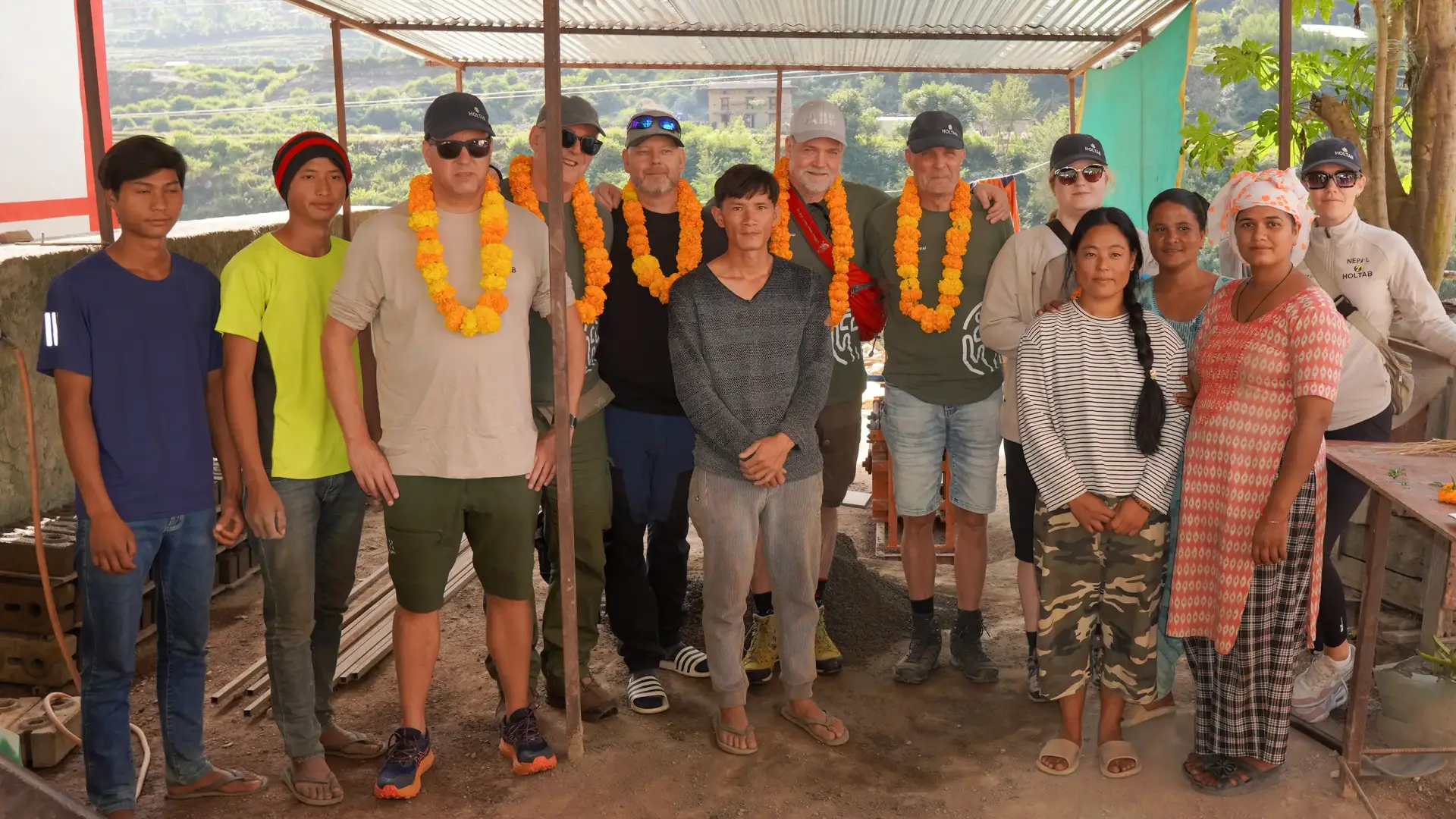
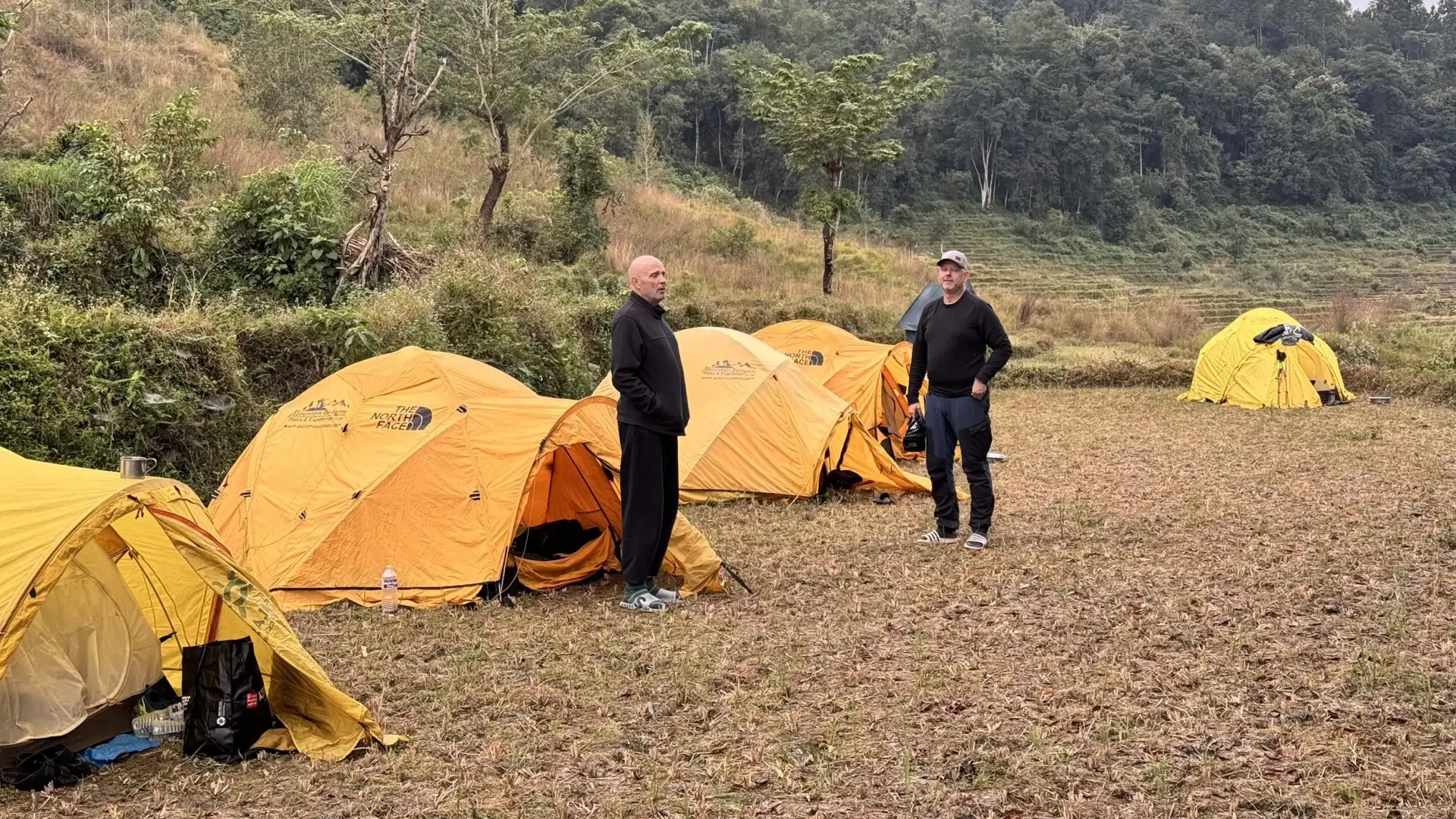
Every year, Holtab travels to Nepal to follow up on ongoing projects. This year, four employees — project manager Sanna Moberg, sales engineer Carl-Fredrik Gyllenhammar, mechanical designer Moa Östermark, and business developer and ERP specialist Jens Kristiansson — together with two representatives from ABB, took part in the journey.
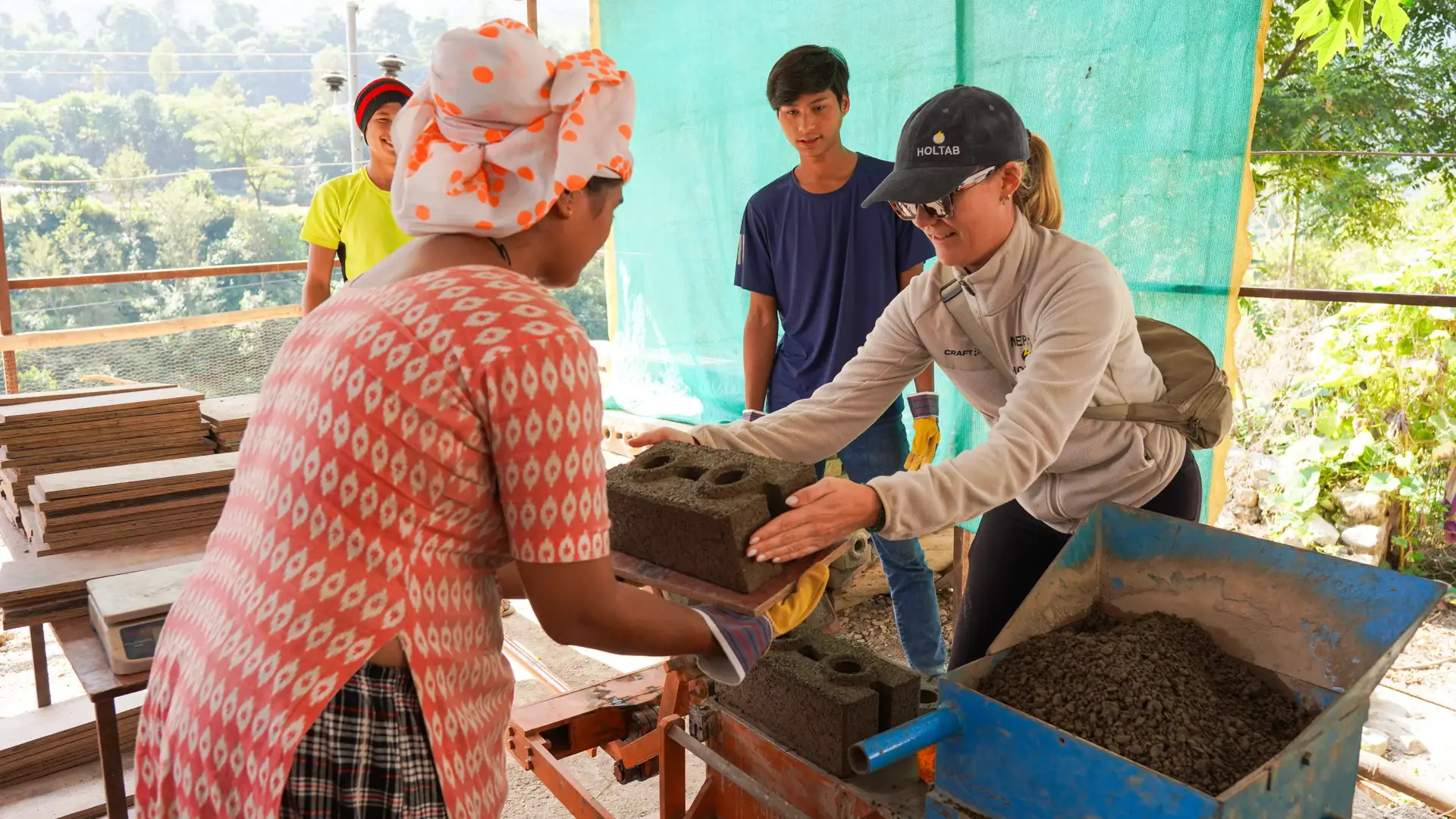
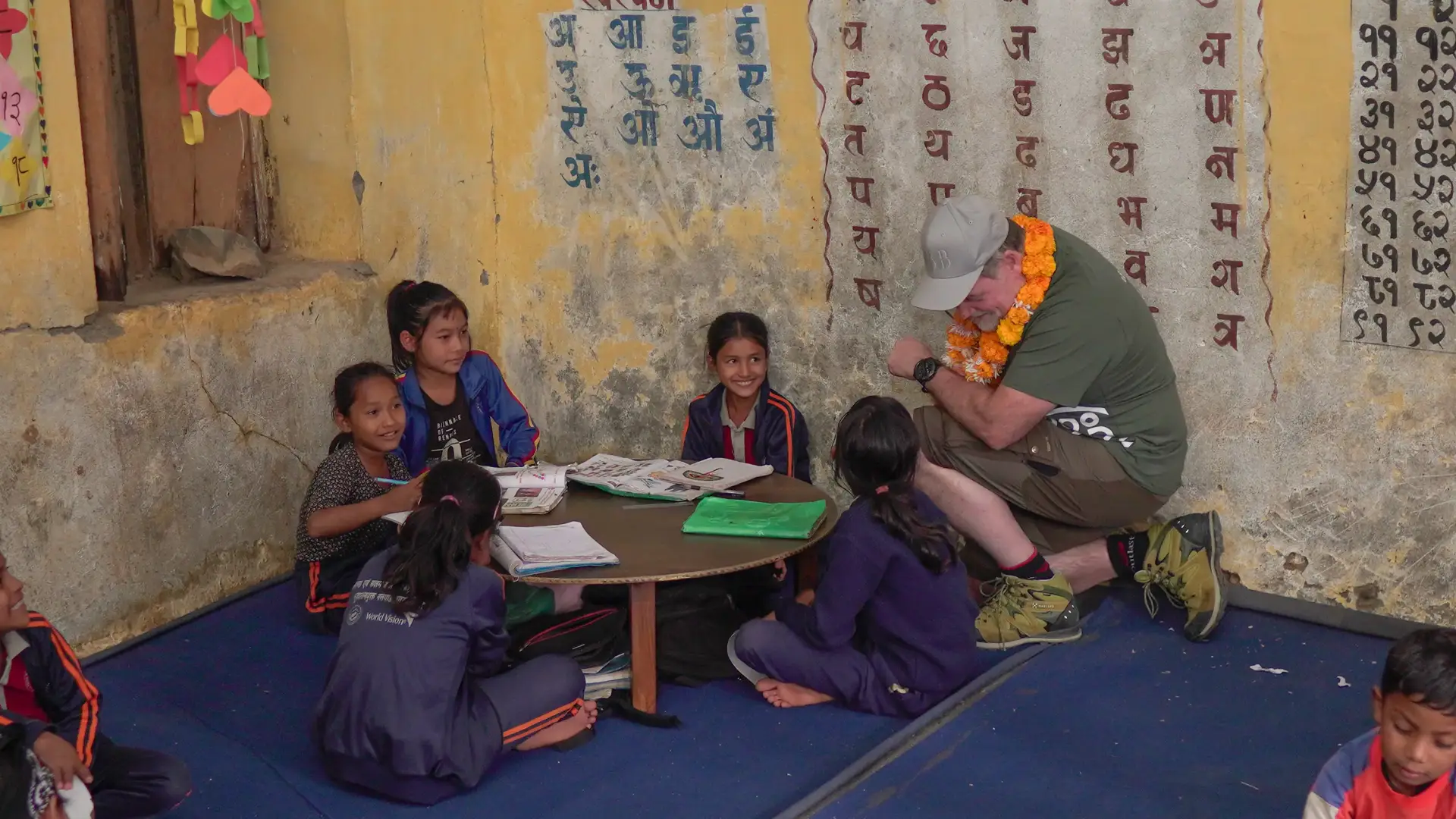
“The main goal was to reach the remote Jajarkot district, which was severely affected by the 2023 earthquake. Together with ABB, we have helped build two schools there, and now we are continuing with another project involving the construction of 30 houses. Progress is being made, but the project relies heavily on the local government, and things are not moving as fast as we had hoped,” says Sanna, who visited Nepal for the sixth time.
Vulnerable groups
Many things are moving in a positive direction in Nepal: roads are improving, even in rural areas. Mobile coverage is more reliable, and inequality is decreasing — especially in the cities. Sanna also noticed the growing number of electric cars and charging stations.
But the vulnerability of certain groups — often low-caste Dalits, particularly in hard-to-reach rural communities — remains striking.
“We visited the village of Manikhel outside Kathmandu. It is home to the low-caste Tamang community, and during last year’s monsoon-triggered landslides, the area was hit hard. Many homes were destroyed and villagers lost their lives,” Sanna explains.
According to the latest World Bank statistics, the average annual income in Nepal is about 1,500 USD per person. This is significantly higher than neighbouring Afghanistan, similar to Pakistan, but far below India. In comparison, Sweden’s income level is many times higher.
“Nepal is one of the poorest countries in the world, and it’s primarily in rural areas that our efforts make the greatest impact. Holtab’s work is important, and this year’s trip reaffirmed that our long-term commitment is the right one.”
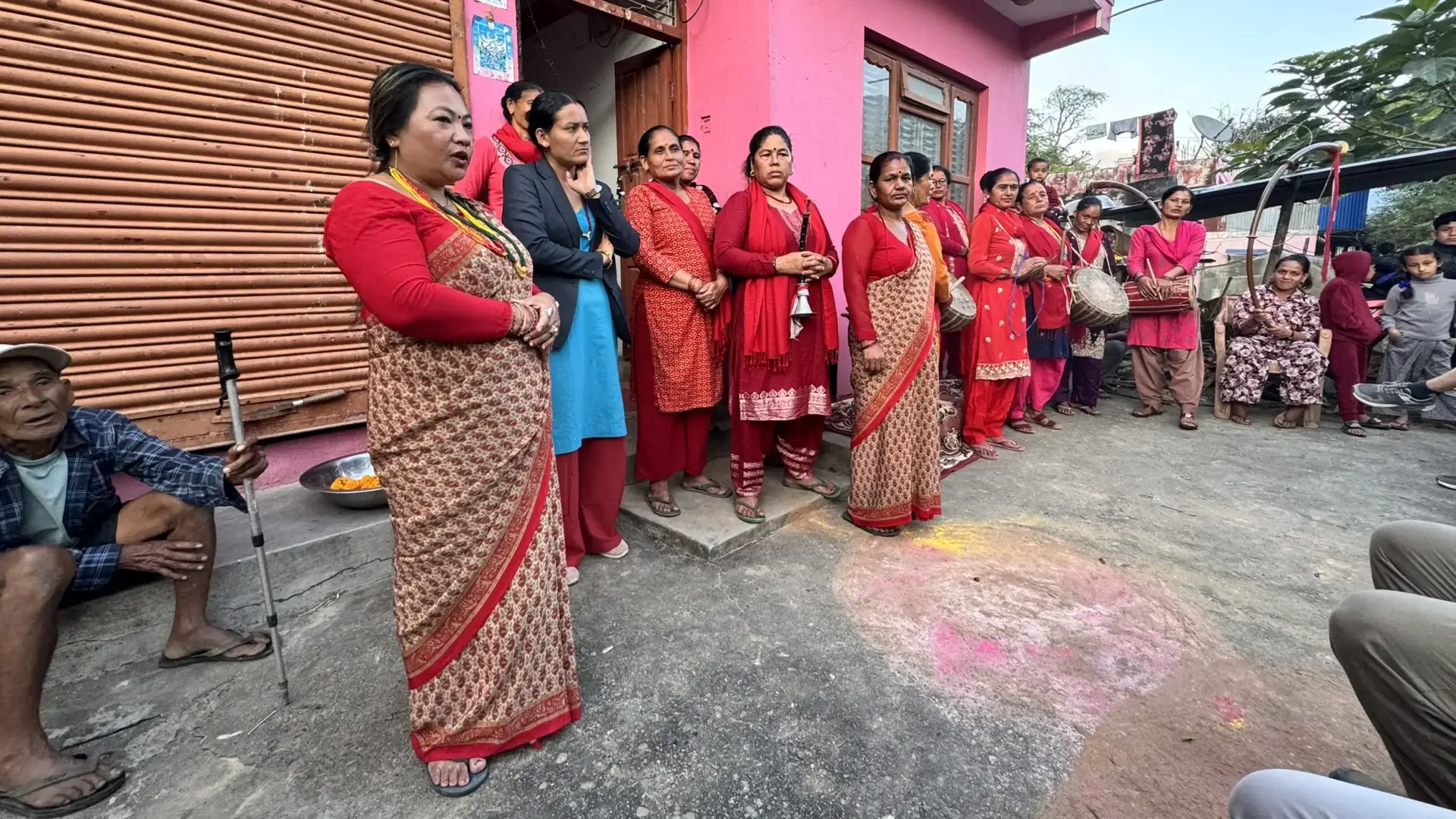
A rising trend: girls’ music groups
One of the more uplifting stories Sanna encountered was about a women’s and girls’ music group. Twenty-five members from the village of Sakaura have taken music lessons and now perform at festivals and funerals.
“It’s almost becoming a trend in Nepal — women coming together and forming groups.”
Besides performing, they collect litter and sell soap. The income is shared within the group, and anyone facing particular challenges receives a little extra support.
Holtab’s support spans several villages and sectors. It includes everything from major construction projects — such as the schools and homes in Jajarkot — to upgrading local smithies, providing toys for children, and improving lighting in villages affected by wildlife during dark hours.
“In the end, it’s our strong local network and long-term presence that make our work successful. One key partner is Build up Nepal, which leads the construction of earthquake-resistant homes using earth bricks,” Sanna concludes.