Ready for island operation – robust power supply with an in-house microgrid
As businesses and society become increasingly dependent on electricity, the consequences of disruptions also grow. For Holtab, this became the starting point for building its own microgrid at the factory in Tingsryd – a solution that strengthens operations and shows how local energy preparedness can be built in practice.

Three benefits of having an in-house microgrid

Secure deliveries – even during disruptions
With island operation, the business can continue even when the external power supply is lost. Holtab’s microgrid is dimensioned to run both production and offices for extended periods, strengthening delivery capability and reducing the risk of downtime.

Contributes to a more robust power system
When companies can manage their own power supply during disruptions, the load on the main power grid is reduced. This strengthens society’s resilience during larger disturbances. For Holtab, which supplies many critical societal functions, this is a way of taking responsibility beyond its own facility.

Creates continuity in operations
Island operation is about more than backup power. It requires an understanding of priorities, control systems and routines. By building and operating a microgrid in practice, knowledge is created that is crucial for long-term business continuity.
How Holtab’s microgrid is built
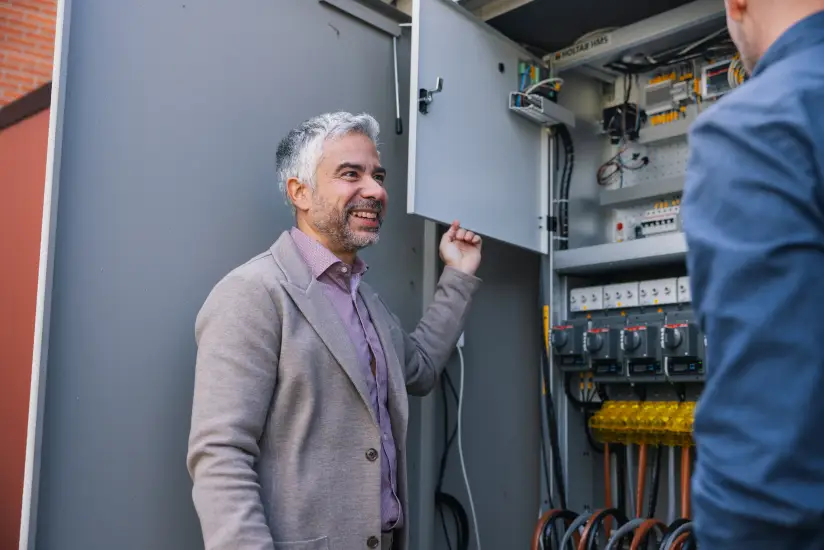
Holtab’s microgrid is designed to function in everyday operations – and when it is truly needed. Here we show how backup power, switching and control systems interact in an integrated and reliable system.
Frequently asked questions about microgrids
How long can Holtab operate in island mode? What is the difference between a microgrid and traditional backup power? Here we have gathered common questions and answers – based on our own experience.
Society is more dependent on electricity than ever before, while at the same time more vulnerable to disruptions. For Holtab, this investment is about taking responsibility by securing its own operations over time and contributing to Sweden’s total defence in a world where power outages can occur for many different reasons. It is also about ensuring deliveries to customers, many of whom operate within critical societal functions.
In theory, yes – but at present, our microgrid is built and dimensioned for Holtab’s own operations. At the same time, the solution demonstrates how local power systems can be used to reduce both dependence on and load on the power grid during outages. In a longer-term perspective, experience from such solutions may create opportunities for collaboration, but nothing of that kind is planned or decided today.
There is currently no legal requirement for Holtab to do so. This is a voluntary initiative to strengthen operational reliability and be better prepared for potential power outages or crises. For some other organisations, the situation is different. Critical societal actors – such as parts of the energy sector, healthcare, care services, food supply and critical industry – are already subject to requirements for continuity planning and preparedness. These requirements are being gradually strengthened, including through the EU CER Directive.
“We supply many organisations that carry great responsibility for keeping society running even in a crisis or preparedness situation. That is why we believe it is important to take responsibility ourselves, stay one step ahead and share our experience with others facing similar challenges,” says Michael Fohlin, CEO of Holtab.
The basis of our continuity planning is that we should never end up without electricity. The solution is therefore dimensioned to operate Holtab’s facility in Tingsryd for extended periods. Endurance is mainly governed by electricity consumption, solar power production and access to fuel for the backup power. We have worked with these routines for a long time and collaborate with external partners to secure, for example, fuel supply.
No. Backup power is part of the solution, but a microgrid also includes switching and a holistic approach to how the power supply should function during an outage – including control systems. It is about being able to run operations in a controlled and long-term manner, not just starting a generator.
The experience gained from our own microgrid has given us valuable insight into how island operation and energy preparedness work in practice. We are happy to share this knowledge with other organisations facing similar challenges related to operational reliability, continuity and robustness.
For questions or interest regarding microgrids and island operation solutions, please contact: Mohamed Ezzo, Head of Innovation, Holtab
For overarching questions about continuity, preparedness and robustness, please contact: Michael Fohlin, CEO, Holtab
Contact us
Would you like to learn how island operation and microgrids can work in practice – or exchange experiences around energy preparedness and continuity? Get in touch, and we will be happy to share how we have approached the work.
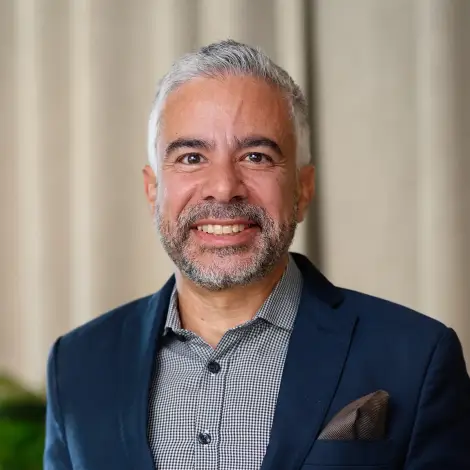
Mohamed Ezzo
Head of Innovation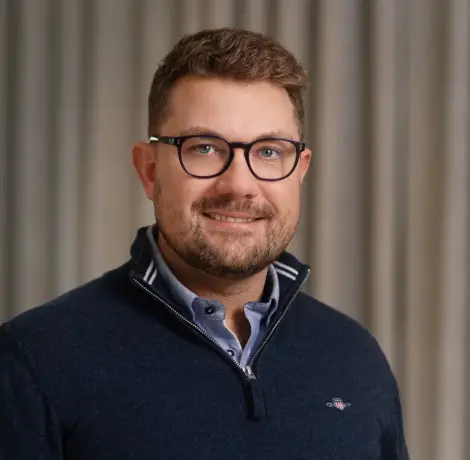
Michael Fohlin
CEO